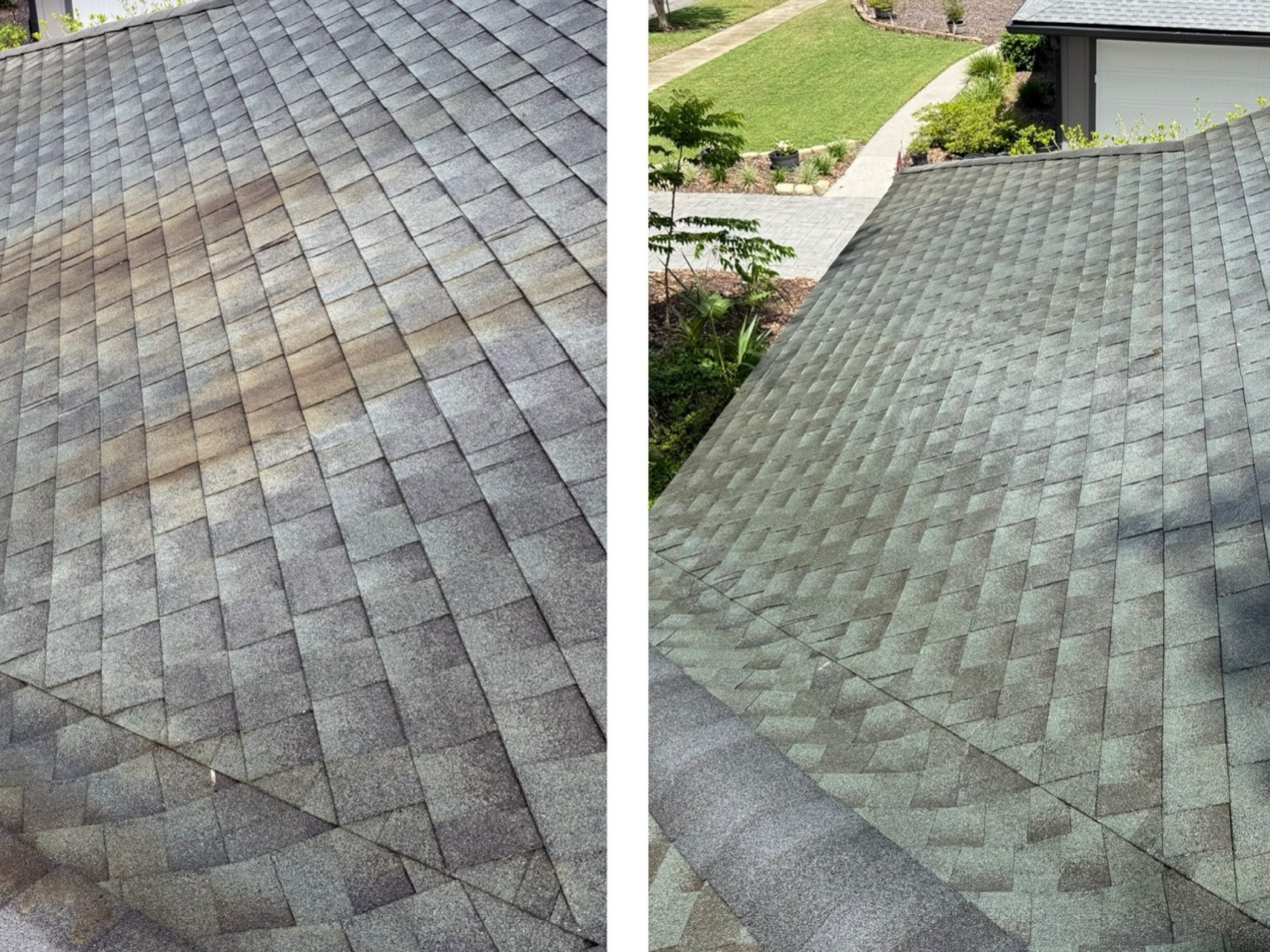
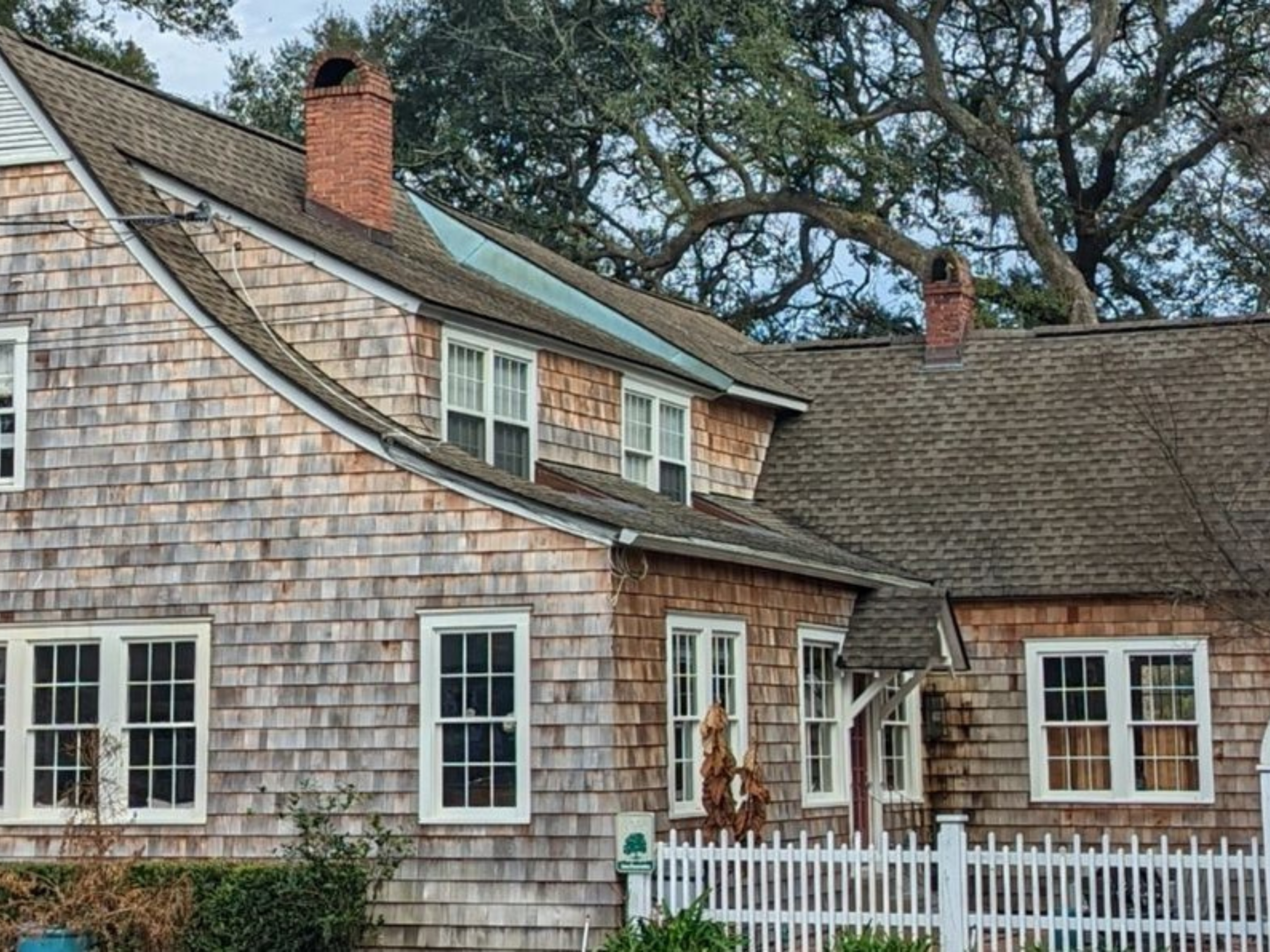
The black streaks that appear on many residential and commercial roofs are a common problem that homeowners and business owners face. These streaks can detract from the appearance of a building, and if left unaddressed, can lead to more serious roof problems. In this article, we will explore what causes these black streaks and what can be done to prevent and remove them.
What Causes Black Streaks on a Roof?
The black streaks that appear on roofs are a result of a combination of environmental factors and the growth of algae. Algae is a type of photosynthetic organism that thrives in moist, warm environments. It is commonly found in areas with high humidity and temperatures, such as the southern United States. When algae grows on a roof, it can form black streaks that are unsightly and can reduce the overall lifespan of a roof.
The main cause of algae growth on a roof is the presence of moisture. Moisture can come from many sources, including rain, snow, and humidity. The algae uses the moisture to grow and spread, and as it grows, it creates dark streaks that can be seen from the ground.
Another factor that can contribute to the growth of algae on a roof is the presence of organic matter. Organic matter can come from a variety of sources, including leaves, branches, and other debris that accumulates on a roof. The organic matter provides food for the algae, allowing it to grow and spread more quickly.
Finally, the type of roofing material can also affect the growth of algae. Some roofing materials are more susceptible to algae growth than others. For example, asphalt shingles are particularly susceptible to algae growth because they provide a warm, moist environment for the algae to thrive in.
The Effects of Black Streaks on a Roof
While black streaks may seem like a cosmetic issue, they can actually lead to more serious problems if left unaddressed. Algae growth on a roof can reduce the overall lifespan of a roof and make it more susceptible to damage from wind and rain. Over time, the algae can weaken the roofing material, causing it to crack and break down more quickly.
In addition to reducing the lifespan of a roof, black streaks can also impact the energy efficiency of a building. Algae can reduce the amount of sunlight that reaches the roof, making it more difficult for the building to retain heat in the winter and stay cool in the summer. This can result in higher energy bills and decreased comfort levels inside the building.
Finally, black streaks can also impact the appearance of a building. A roof with black streaks can make a building look unsightly and detract from its overall aesthetic. This can reduce the curb appeal of a building, making it less attractive to potential buyers or renters.
Preventing and Removing Black Streaks on a Roof
There are several steps that homeowners and business owners can take to prevent the growth of black streaks on their roofs. One of the most effective ways to prevent black streaks is to keep the roof free of organic matter, such as leaves and branches. This can be done by regularly cleaning the roof and removing any debris that accumulates on it.
Another way to prevent black streaks is to install a roof ventilation system. A roof ventilation system can help reduce the amount of moisture that accumulates on a roof, making it less conducive to algae growth. By reducing the amount of moisture on the roof, you can help prevent the growth of black streaks. The sodium hypochlorite solution that we use at Green Clean helps to kill this alga at the source and prevents it from coming back for up to 2 years.