Pressure washing and soft washing are two popular methods used for cleaning the exterior of homes. While both methods have the goal of removing dirt, grime, and other buildup from the surfaces of your home, they use different techniques and are appropriate for different situations. In this article, we’ll explore the differences between pressure washing and soft washing and when it’s best to use each method.
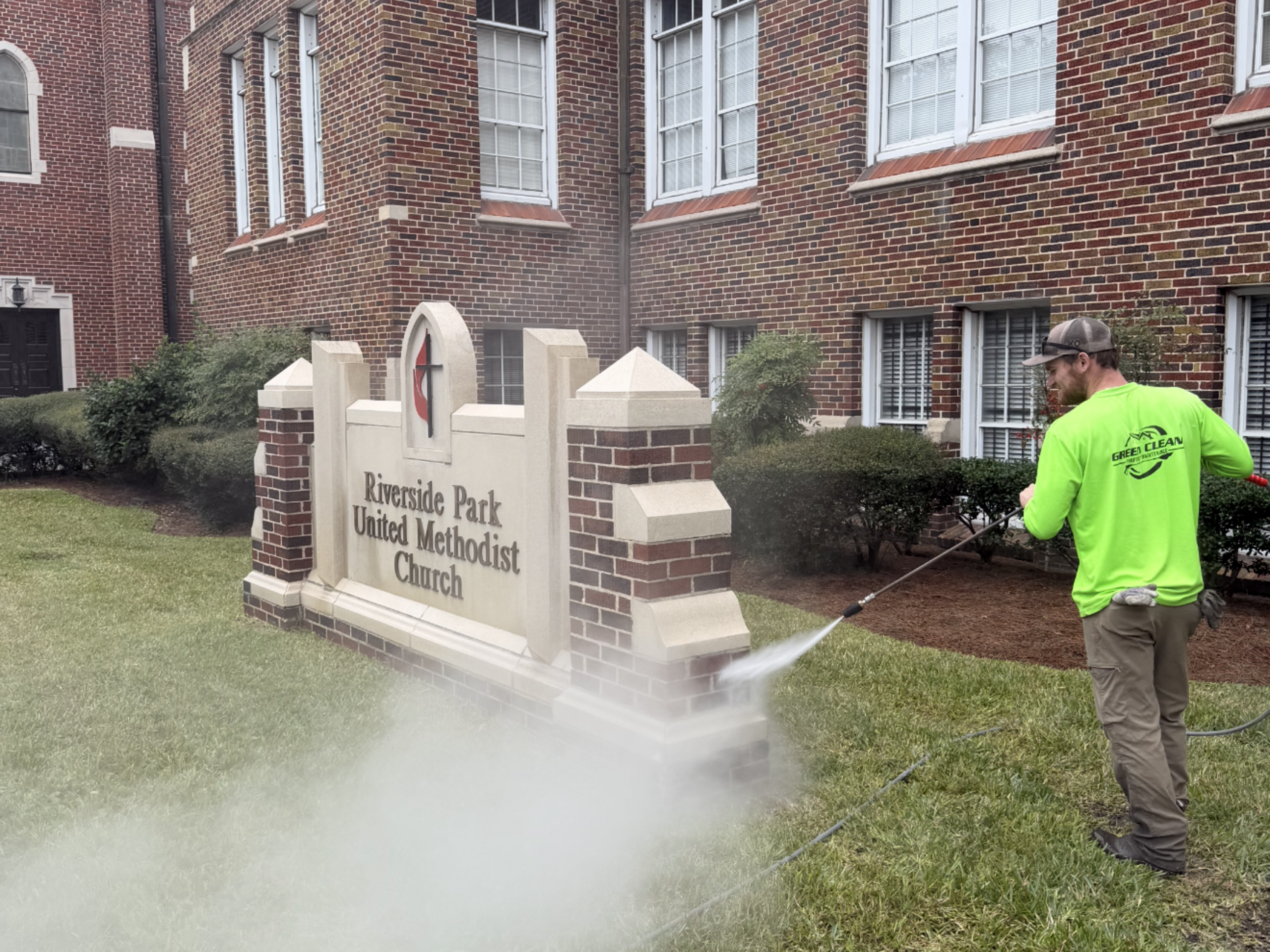
Pressure washing involves the use of high-pressure water streams to remove dirt, grime, and other buildup from a variety of surfaces, including concrete, brick, siding, decks, and patios. The high-pressure water stream is created by a pressure washer, a machine that uses a pump and motor to increase the pressure of the water. Pressure washing is a fast and effective way to clean many types of surfaces, and it’s often used for large surfaces, such as driveways, sidewalks, and decks.
One of the benefits of pressure washing is that it can remove stubborn buildup, such as oil stains, paint, and other tough residues. Additionally, pressure washing is a good option for removing mold, mildew, and algae from surfaces. The high-pressure water stream can blast away these growths, leaving the surface clean and free of harmful pathogens. However, it’s important to note that pressure washing can also cause damage to some surfaces if the pressure is too high or if the person operating the pressure washer is not experienced.
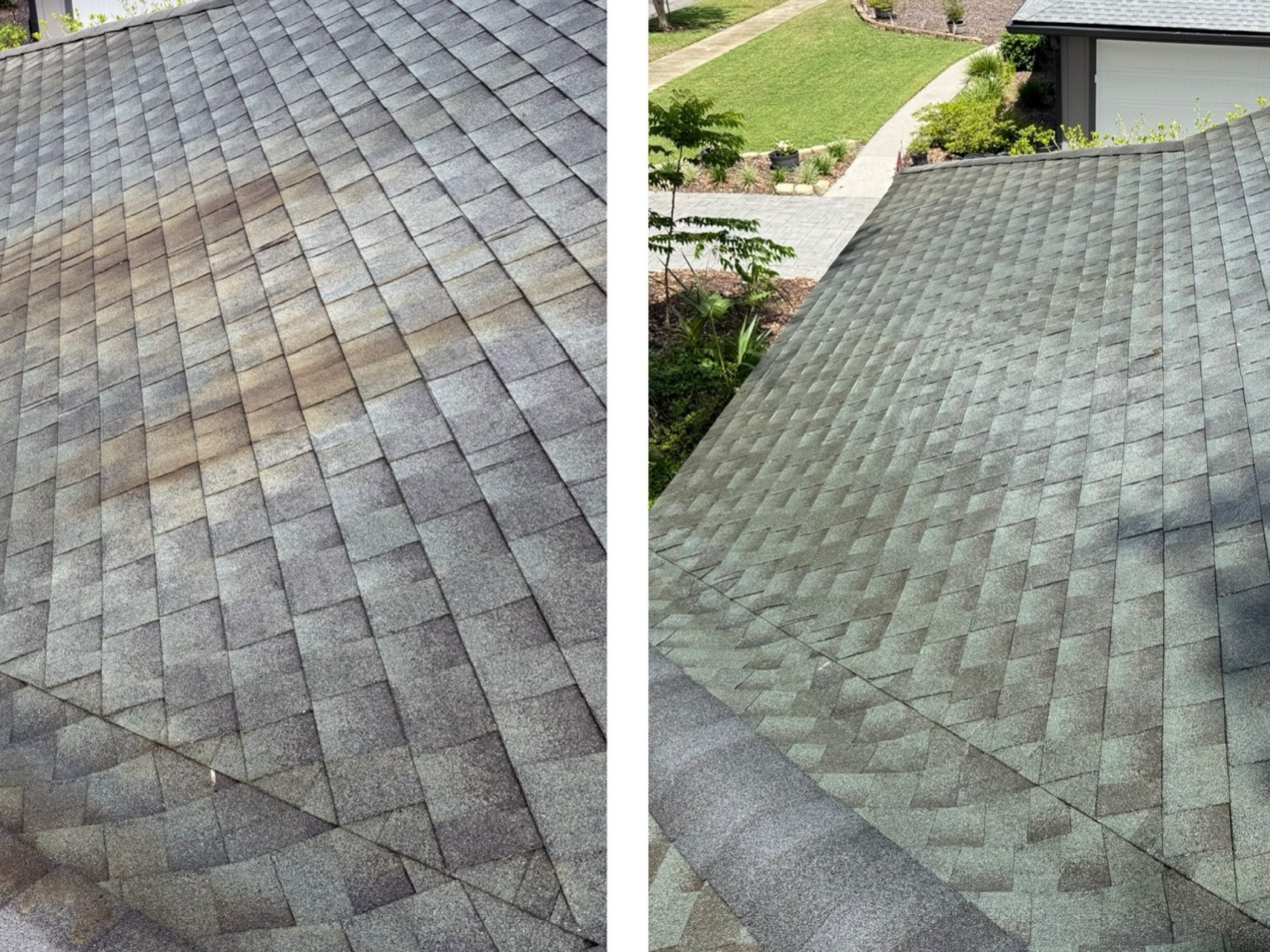
Soft washing, on the other hand, is a gentler cleaning method that uses a low-pressure water stream combined with a special cleaning solution. The cleaning solution is designed to penetrate the surface and remove dirt, grime, and other buildup, while the low-pressure water stream rinses away the solution. Soft washing is often used for delicate surfaces, such as roofs, and for surfaces that are more susceptible to damage from high-pressure water streams, such as stucco, wood siding, and painted surfaces.
One of the benefits of soft washing is that it is a more gentle method of cleaning and is less likely to cause damage to surfaces. The low-pressure water stream and the cleaning solution work together to remove buildup, leaving the surface looking clean and refreshed. Soft washing is also a good option for removing mold, mildew, and algae, as the cleaning solution helps to kill these growths and prevent their return.
When deciding whether to use pressure washing or soft washing, it’s important to consider the type of surface you need to clean and the type of buildup you’re trying to remove. If you have a large, hard surface, such as a driveway or deck, that is covered in oil stains, paint, or other tough residues, pressure washing is likely to be the best option. On the other hand, if you have a delicate surface, such as a roof or stucco, or if you’re trying to remove mold, mildew, or algae, soft washing is likely to be the better choice.
Another factor to consider is the level of maintenance you’re willing to undertake. Pressure washing is a more intense method of cleaning, and it may require more maintenance in the long run. For example, if you pressure wash your deck, you may need to reapply a sealant or stain to protect the wood from water damage. Soft washing, on the other hand, is a gentler method that may require less maintenance over time.
Finally, it’s important to consider the cost of each method. Pressure washing is generally faster and more effective, so it may be more expensive than soft washing. On the other hand, soft washing is a gentler method that may take longer to complete, so it may be less expensive.